

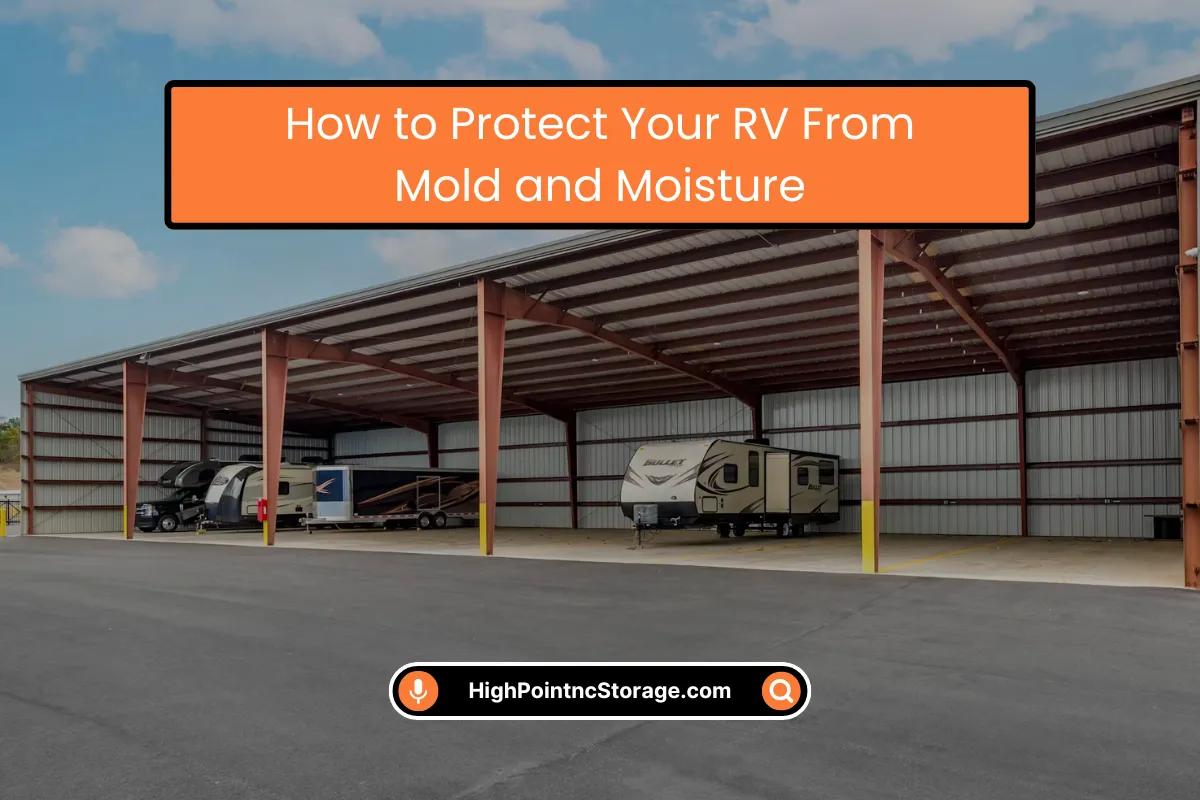
Alright, let’s have a chat. You’re staring at your RV in the driveway. It was your ticket to freedom all summer, and now it feels like a giant, expensive problem. I’ve been there. I’ve also seen what happens when you cut corners. So let’s walk through this together, the right way.
First Up: The Cleanup. Don’t You Dare Skip This
I know, you just want to be done. But trust me, a few hours now saves you a world of hurt later.
Go to the car wash and give it a proper bath. Get all the bug guts off the front. If you leave them on, they’ll bake into the paint and leave permanent marks. Get up on the roof, too. Sweep off all the leaves and junk. While you’re up there, just run your eyes over the rubber seals. If you see a crack, now’s the time to fix it. A tube of sealant is ten bucks. A water leak repair is thousands.
Inside, your mission is to make it boring for mice. Take every single bit of food out. I mean every crumb, every old packet of hot chocolate, everything. Wipe down the counters, vacuum the floors. And for the love of all that is good, clean your fridge and leave the door propped open. A closed fridge in storage gets a smell you will never, ever forget.
Now, Let’s Make Sure It Starts in the Spring
This part seems scary, but it’s not. It’s just a few simple things.
- The Gas Tank: Here’s the trick. Fill it up. All the way. I mean, drive it until the pump clicks off, then top it off again. A full tank has no room for air, and air means water condensation. Water in your gas is bad news. Then, buy a bottle of fuel stabilizer. Dump it in. Start the engine and let it run for about ten minutes. This gets the good gas everywhere it needs to go. This one step saves your fuel system.
- The Battery: Listen to me on this. This is the biggest mistake. You can’t just disconnect it. It will still die. The best thing—and I mean the absolute best thing—is to just take the battery out. Unbolt it, carry it into your garage, and hook it up to a battery tender. It’s a little gadget that keeps it charged. It costs less than a new battery and it guarantees your RV will start in the spring. Just do it.
- The Tires: Pump them up to the pressure it says on the sidewall. This stops them from getting flat spots. If you’re parking on grass, put a piece of wood under each tire. It keeps the moisture from rotting the rubber.
The Final Seal-Up: The Pest and Moisture War
You’re almost done.
To keep mice out, look for any little holes where pipes or wires go into the RV. Stuff those holes with steel wool. Mice hate chewing on it. Inside, I throw a bunch of dryer sheets in all the cabinets and under the seats. It seems silly, but it works. They hate the smell.
Go to the hardware store and get a couple of those disposable moisture tubs. The brand doesn’t matter. Put one in the kitchen and one in the bathroom. You’ll be shocked how much water they suck out of the air. This stops mold and mildew.
Finally, throw a good cover on it. It keeps the sun and snow off. Just make sure it’s on there tight so it doesn’t flap around and scratch anything.
So, Where Do You Put It?
Your driveway is easy, but it’s the worst spot. It’s in the way, it’s exposed to the weather, and it’s a constant worry.
This is the whole reason we got into the storage business at High Point Storage. We saw people struggling with this exact problem. Having a secure spot for your RV, away from your house, gives you your driveway back and your peace of mind back. It’s one less thing to worry about all winter.
Do this stuff. Then you can forget about it until spring, when it’ll be ready to go, no drama attached.









0 Comments